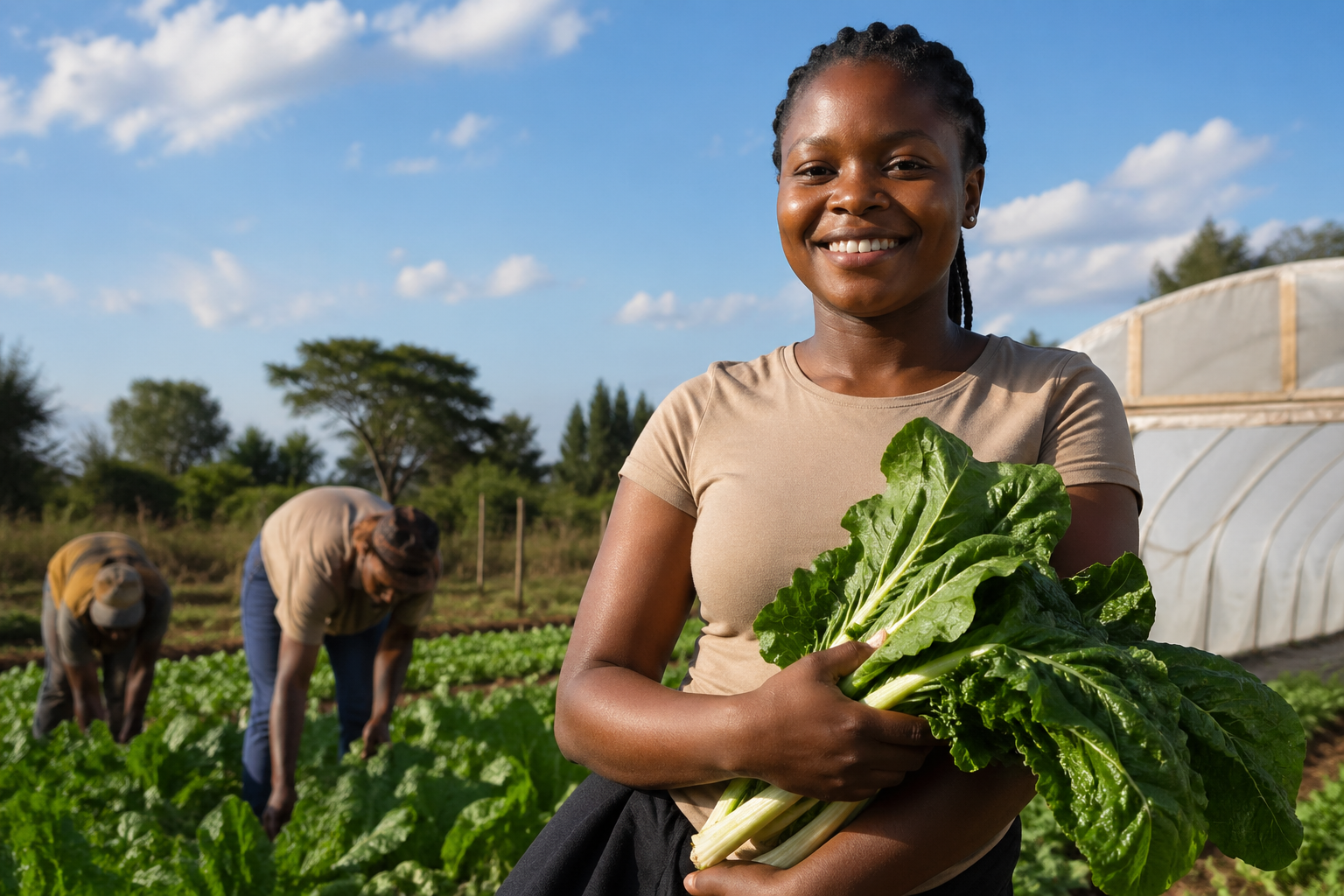
Agriculture significantly contributes to Kenya’s economy with over 30% of its gross domestic product and over 50% of export earnings. Yet, despite the increase of Kenya's market for agricultural products domestically and internationally, the majority of agricultural produce is sold in raw or minimally processed form. Kenya’s Agricultural Sector Transformation and Growth Strategy identifies this gap and asserts agricultural transformation entails modernising on-farm agriculture and moving it toward greater value addition. It encourages a shift from subsistence to commercial farming.
What is value addition?
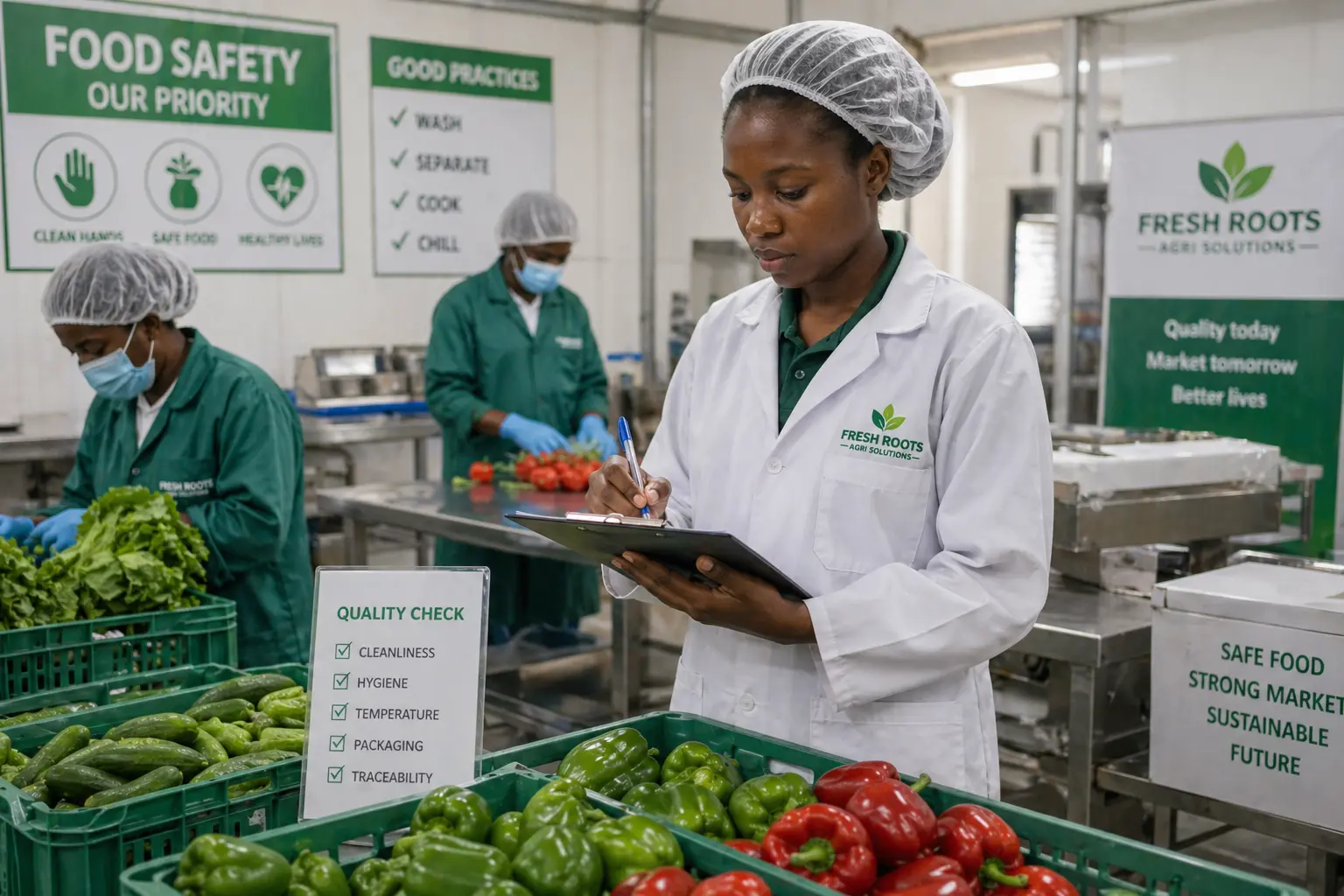
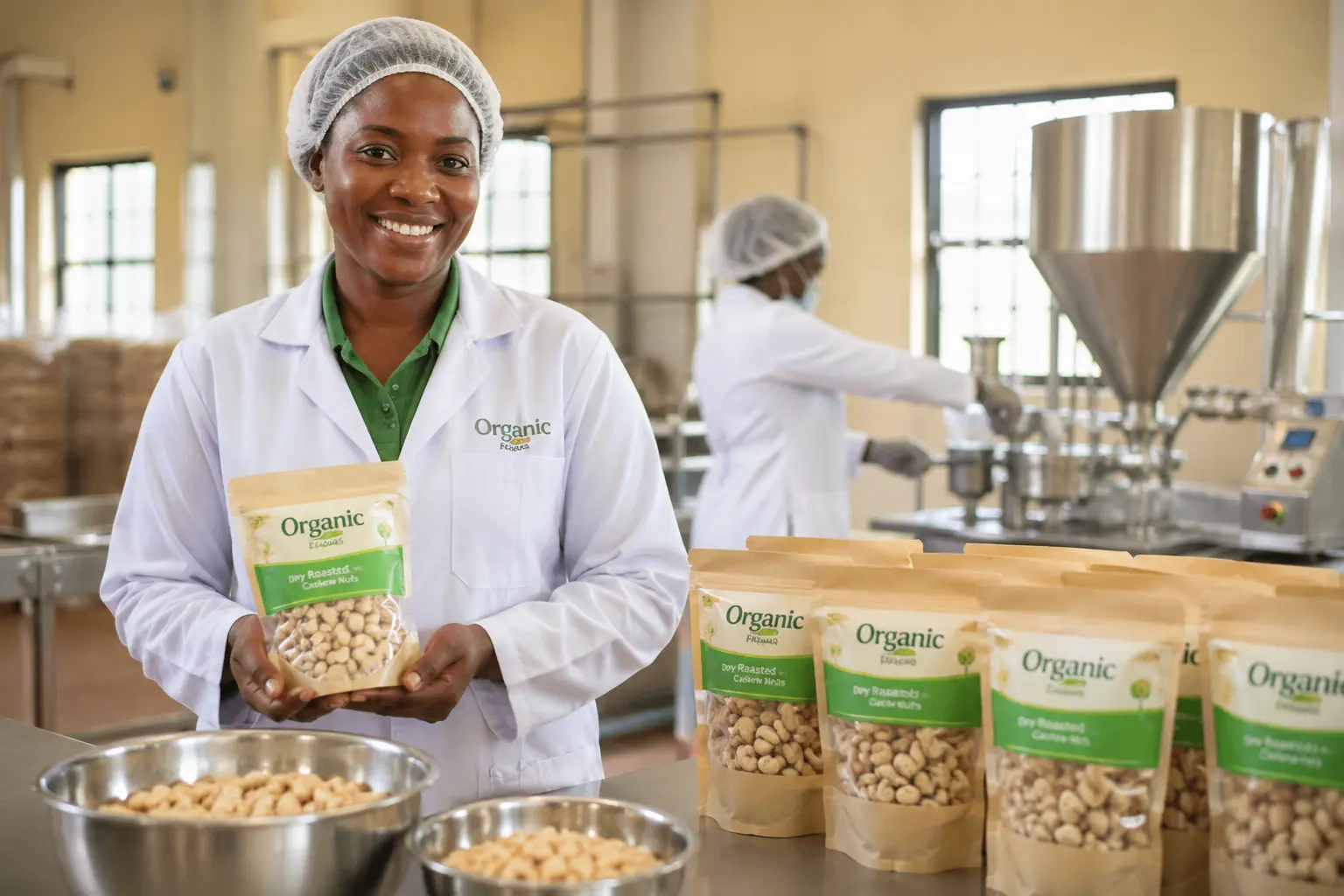
Value addition refers to the process of raising the economic worth and consumer appeal of agricultural products. This is through cleaning, grading, drying, storing, packing, processing, cooling, drying, extracting, branding, quality certification, or any other procedure that sets the consumer product apart from the original agricultural products.
Not only does value addition enhance the quality of agricultural products, it is also a strategic approach that enables producers to acquire a larger share of the value chain, reduce exposure to price volatility, strengthen market positioning and transition into premium markets.
Cost of inaction: Lost value, lost opportunities
The underutilization of value addition in Kenya’s agricultural value chains has resulted in food imports that could be produced domestically. Additionally, the available national, regional and international available export markets have not been tapped into. Agribusiness has also been characterized with low production, limited job opportunities, post-harvest losses and reduced profitability because of low value-added practices.
The opportunity: From subsistence to scalable enterprises
Value addition is the leeway of transitioning Kenya from subsistence farming to commercial farming. Value addition presents itself as a lucrative practice in agribusiness, with potential of generating up to two to three times of income compared to selling products in raw form. For example, the processing of raw milk to yogurt or cheese can triple revenue per litre. Processing fruits into dried products can enable access to both local and export markets. Additionally, value addition creates job opportunities along the value chain, lowers losses related to quality and post-harvest, improves precision farming, and extends the shelf life of products.
Why value addition is critical to youth in agribusiness
Value addition is not just an opportunity, it is a necessity for youth in agribusiness. Most young people work on small portions of land, usually less than 2 acres, which makes it hard to make an income just from farming. Agro-processing enables young people in agribusiness to make strategic decisions on pricing, product positioning, market access and quality standards. Value addition enhances the sense of agency for youth in agribusiness as the practice enables them to decide up to what extent they want to acquire value from their products. This determines the extent to which they maximize their income from the products.
Value addition as a leadership function in agribusiness
Value addition is a leadership duty that requires the ability to identify opportunities, make strategic investments and navigate dynamic markets.
At Kameru Leadership Foundation (KLF), value addition is positioned as a key pillar of agribusiness leadership. It is through programmes like Youth Agribusiness Leadership Accelerator (YALA) programme that we equip youth in agribusiness with leadership clarity, commercial intelligence, hands-on exposure to value addition processes, quality assurance and market competitiveness.
KLF is equipping a new generation of agribusiness leaders with the ability to transform agricultural value chains.